
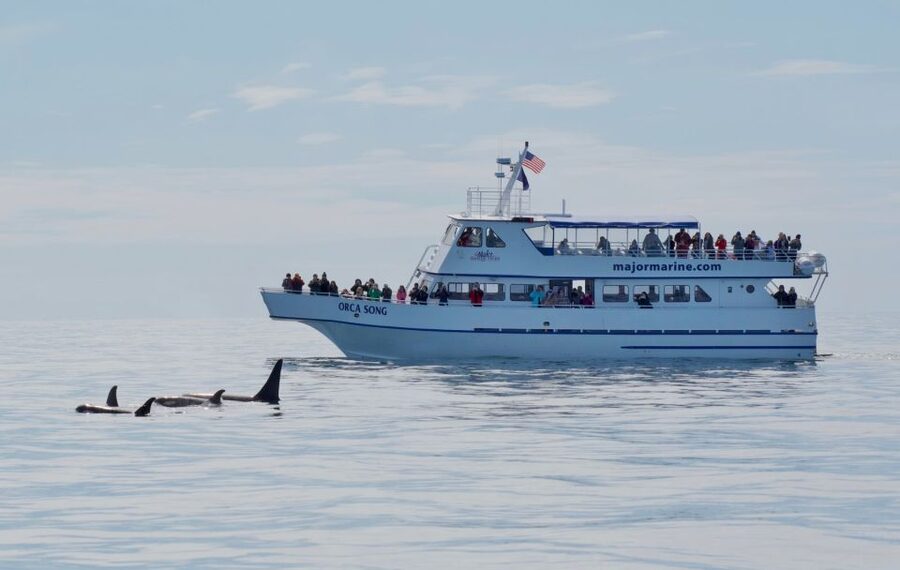
REVIEW · USA
Seward: Resurrection Bay Orca Quest Cruise
Orcas are the main event here, and mid-May through mid-June gives you the best shot at finding them near Seward. I like the smart use of live sighting reports from other boats, and I like that the cruise gives you four hours to search rather than rushing out for a quick look. The catch is simple: wildlife is wild, and even a well-run trip can return without an orca sighting.
I also like the comfortable boat setup, with assigned indoor tables, warm drinks, binoculars, and several places to watch from outside. The crew has a strong reputation for helping with seasickness and explaining what you see. Still, Resurrection Bay can turn rough, so bring warm clothes and prepare for motion if you are sensitive to swells.
Key points to know before booking
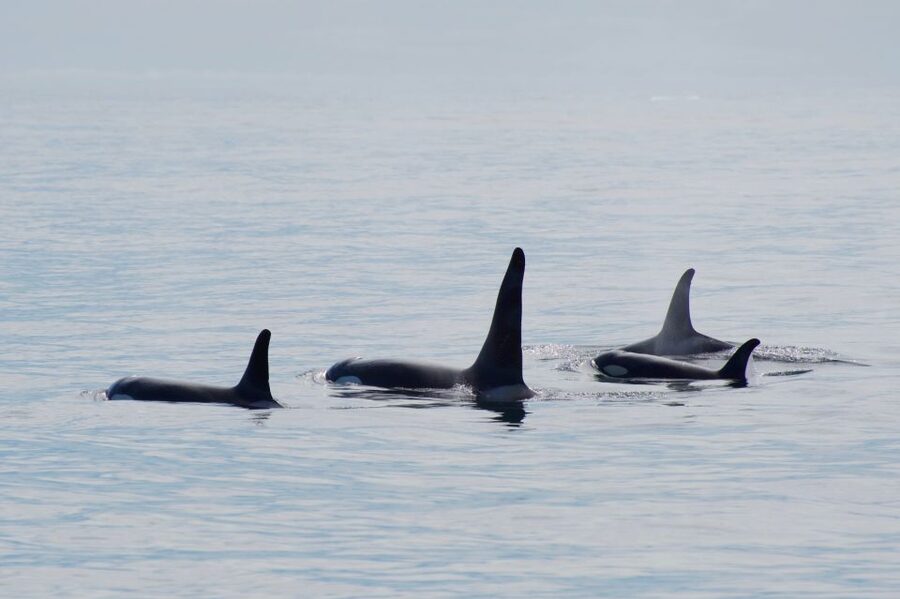
- Best orca window: The cruise runs during the period when orcas often visit Seward waters to feed, especially from mid-May through mid-June.
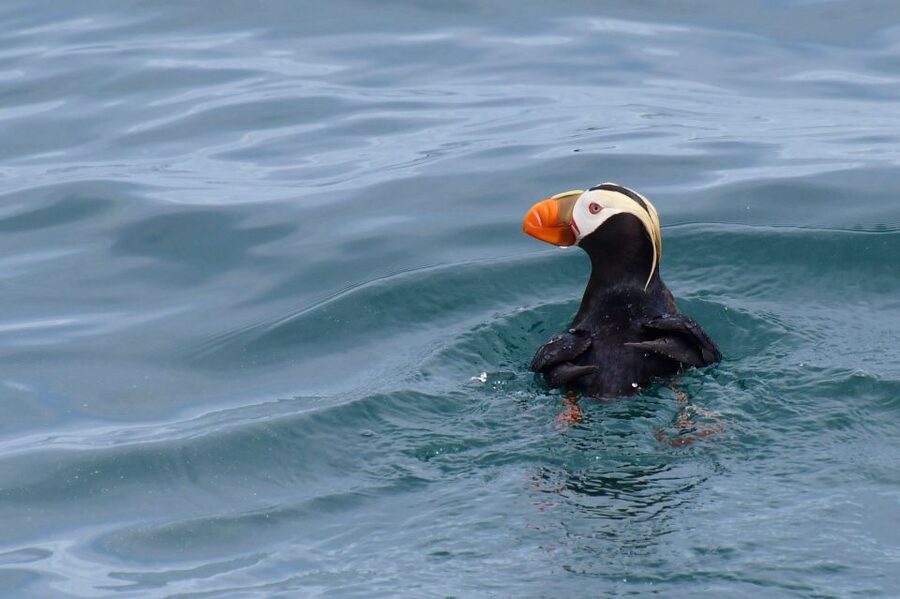
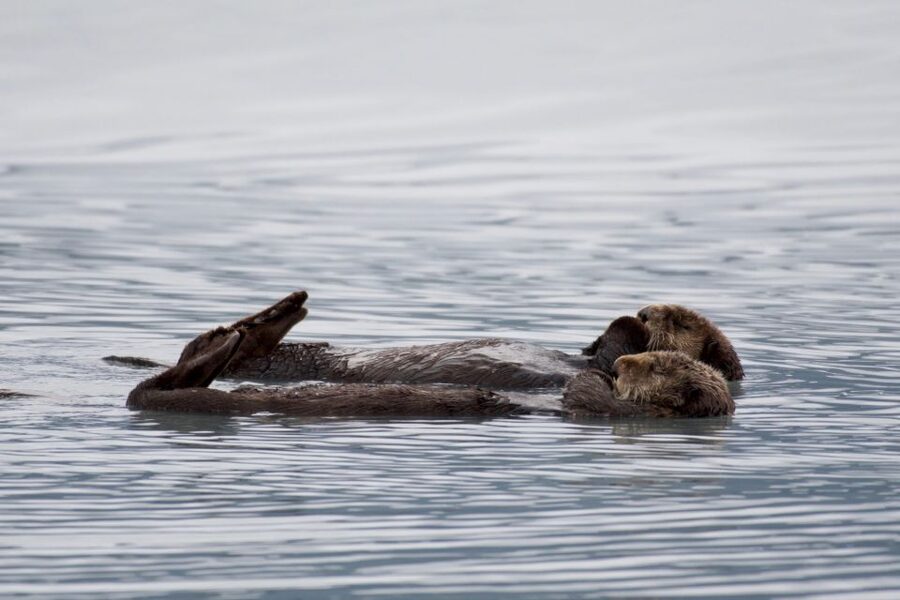
- Wildlife can be extensive: You may see humpback and fin whales, Dall’s porpoises, sea otters, seals, Steller sea lions, puffins, bald eagles, and other seabirds.
- Captain-led searching: The captain checks real-time reports from nearby boats and heads toward known orca areas when conditions and sightings make sense.
- Comfort matters: You get access to indoor seating, assigned tables, water, coffee, tea, and binoculars. Hot chocolate is available to buy.
- Four hours is a useful compromise: You have enough time to search for wildlife without committing to a much longer full-day cruise.
- Rough water is possible: Some departures have been choppy enough to cause widespread seasickness, though the crew is praised for assisting passengers.
Why Resurrection Bay is the right setting for an orca search
The cruise begins in Seward, where the water quickly opens into Resurrection Bay and the surrounding coastal scenery. You are not simply riding out to a single viewing point. The captain works a large area, watching the water and following current information from other vessels.
That matters because an orca sighting is about timing, not just location. Pods move, feed, and change direction. A captain who can compare reports and adjust the route gives you a better practical chance than a fixed sightseeing loop.
The scenery is part of the reward. From the boat, you can look back toward Seward and out toward the rugged shores and fjord-like waterways around the bay. On clear days, the views extend toward distant glaciers, including Bear Glacier seen from offshore on some departures. You might spend part of the cruise scanning for dorsal fins, then realize that the shoreline, snowy peaks, and open water are carrying the experience even before the wildlife appears.
I would keep your expectations realistic. The boat may find an orca pod quickly, as happened on one departure within about 20 minutes. Another trip may produce humpbacks, sea otters, or porpoises but no orcas. Both outcomes are possible within the same season.
A few more bay cruises around the USA worth a look
- Miami: Biscayne Bay Millionaire’s Homes Sightseeing Cruise
★ 4.5 · 7,348 reviews - San Francisco: Golden Gate Bay Cruise
★ 4.7 · 3,644 reviews - San Diego Harbor Cruise
★ 4.5 · 2,980 reviews
What the four-hour route feels like
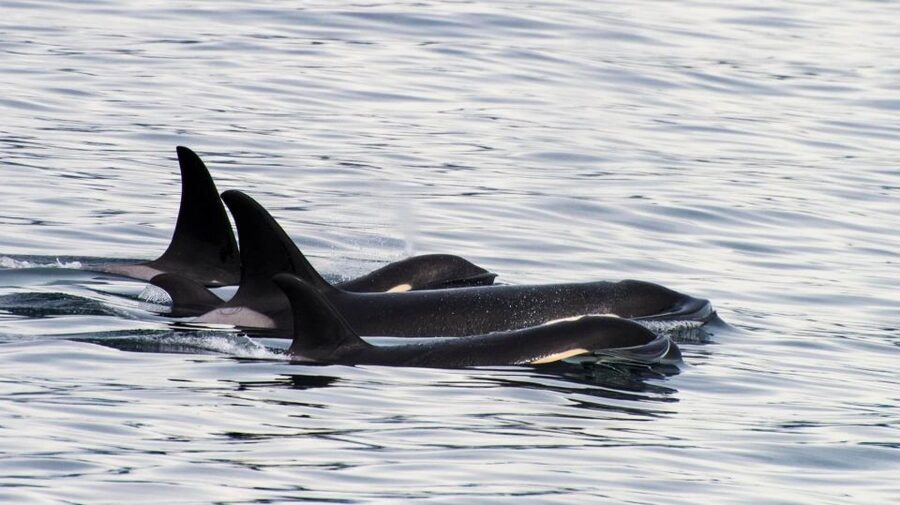
After checking in, you board for a four-hour cruise through Resurrection Bay. The exact route changes with weather, sea conditions, and wildlife reports, so think of the itinerary as an active search rather than a sequence of guaranteed stops.
Early in the trip, the crew begins watching for signs of life. You may be asked to scan the water for blows, fins, splashes, or groups of birds. The captain provides live narration about orca biology, communication, hunting habits, and the animals in the area.
If a report comes in about orcas, the boat may change course to reach the area. This is one of the most useful parts of the trip because it turns the cruise into a shared search. You are not just waiting for the captain to point at something. You can follow the action as the boat moves through the bay.
When orcas appear, look first for the tall dorsal fins. Adult male dorsal fins can reach about six feet, making them easier to spot at a distance. The real excitement comes from watching the group’s behavior: travel patterns, close family movement, surface activity, and the way the pod works together while hunting.
A calf breaching is possible, but it is not something you should count on. One departure had a pod of eight orcas, including a calf that breached. Another produced both resident and transient orcas, a rare combination. Those moments show what is possible, but they should be treated as lucky wildlife encounters rather than promised features.
If conditions allow, the crew can use an onboard hydrophone so you can hear underwater orca calls. This adds something a photograph cannot provide. The sound helps you understand that the animals are communicating beneath the surface even when you can see only a fin or a patch of black and white.
The wildlife you might see beyond orcas
The cruise is worthwhile even when orcas stay out of sight. Humpback whales are among the most commonly reported highlights, and some departures have also found fin whales. Watch for a blow, a rolling back, or a tail rising before the whale disappears.
Dall’s porpoises can be especially fun because they move quickly and may appear in groups. Their small, fast shapes can be harder to follow than a whale, so keep your binoculars ready and watch the direction other passengers are pointing.
Steller sea lions may gather near shore or haul out on rocks. Harbor seals and sea otters are smaller but often easier to appreciate when the boat slows down. Sea otters may float on their backs, while seals can appear as rounded heads in the water.
Birdlife adds another layer. You might see puffins, bald eagles, and other seabirds. The combination of whales, porpoises, otters, sea lions, seals, and birds can make the cruise feel full even if the orcas never arrive.
The best wildlife day reported on this route included sea otters, Dall’s porpoises, humpbacks, orcas, sea lions, puffins, a bald eagle, and several other birds. That list is not a guarantee, but it gives you a good idea of the range of life in these waters during the right conditions.
The boat, seating, and time outdoors
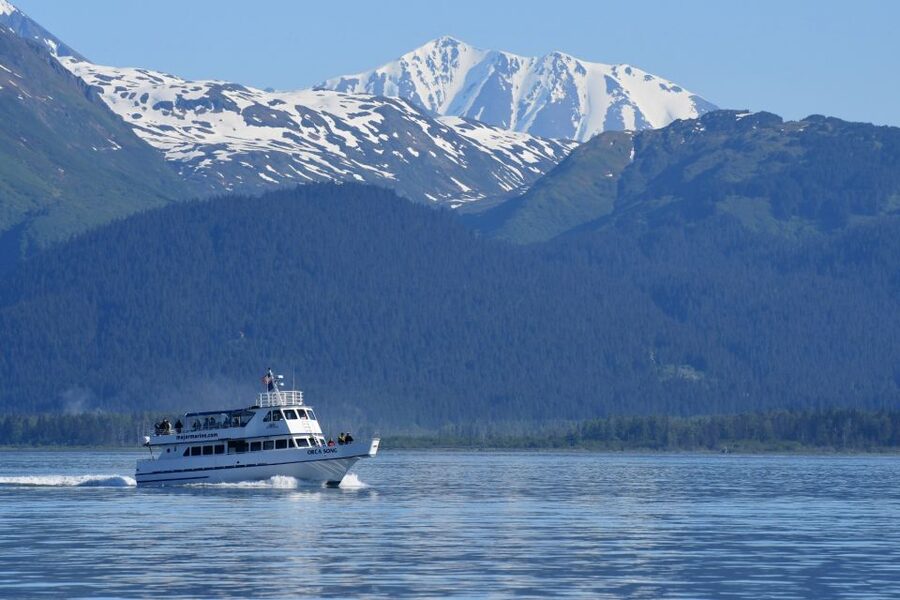
The boat is described as comfortable, with indoor seating and assigned tables. That setup is useful for families and small groups because you have a home base for snacks, cameras, and warm drinks instead of competing for a seat every time you step inside.
You can also move among the outdoor decks. I would spend time outside when the water is calm and wildlife is active, then return indoors to warm up or rest your eyes. Four hours is long enough that comfort starts to matter, especially in cool Alaska weather.
Water, coffee, and tea are included. Hot chocolate has been available for purchase, and you can bring your own food. Alcohol and food are also available to buy on board, but alcohol is not included. Pack simple snacks if you know you get hungry on boat trips.
Wear comfortable shoes and layered clothing. The instruction to dress comfortably may sound basic, but it is important here. The boat can feel cold when you are standing outside scanning the water, even on a sunny day. A camera is worth bringing, though binoculars are included and can help you find wildlife before it comes close enough for a good photograph.
Tripods are not allowed, and neither are baby strollers, weapons, smoking, alcohol brought from outside, or drugs. These restrictions are easy to follow, but families with very young children should plan around the stroller rule.
Same water, a different boat:
- Miami Combo: City Tour, Biscayne Bay Cruise and Everglades Airboat Ride
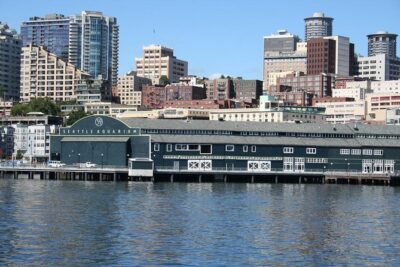
★ 3.5 · 2,487 reviews - Seattle’s Original Guided Harbor Cruise
★ 4.5 · 2,077 reviews - Miami Biscayne Bay rich and famous Sightseeing Boat Tour
★ 4.5 · 1,998 reviews - Monterey: Monterey Bay Dolphin and Whale Watching Boat Tour
★ 4.7 · 1,645 reviews
Rough water and seasickness: the honest warning
The biggest practical concern is the sea. Calm water can make the cruise pleasant and easy, while a storm or strong swell can turn the same four hours into hard work.
One departure had rough seas and many people became seasick. The crew helped passengers, checked on them, and worked to keep everyone as comfortable as possible. That care is important, but crew kindness cannot remove the motion of the boat.
If you are prone to seasickness, think carefully before booking. The possibility of seeing an orca may be worth it to you, but you should plan for the less pleasant version of the day. Sit where the crew recommends, keep your eyes on the horizon when possible, and use the indoor area as needed. The supplied information does not specify a medication policy, so ask the operator directly if you need advice about motion sickness medication.
Calm days can be wonderful. One sunny departure had very smooth water and produced orcas, humpbacks, puffins, a distant glacier, and beautiful views. The contrast between calm and rough conditions is a reminder that weather plays a major role in the quality of your ride.
How the crew shapes the experience
A wildlife cruise depends on the animals, but the crew controls how much you understand and how comfortable you feel while waiting. The captain provides live information about species, hunting habits, communication, Seward, and the surrounding waters.
Captains Tanner and Tammy are specifically named in accounts of past departures. Tanner was praised for detailed narration while guiding the boat through the fjords, while Tammy was noted for her clear explanations and respectful handling of wildlife and other boats. Those details matter because good wildlife viewing requires patience and restraint.
A responsible captain does not chase animals aggressively or crowd another vessel. The goal is to watch natural behavior without turning the water into a traffic jam. The most satisfying sightings often come when the boat slows down and gives you time to see how the animals move.
The crew also helps with the less glamorous parts of the trip. Staff have assisted people who were seasick and adjusted seating when a group was uncomfortable with its original table arrangement. That kind of attention is valuable on a four-hour outing, especially for families.
Is $165 a fair price?
At $165 per person, this is not a cheap harbor ride. You are paying for a four-hour search across Resurrection Bay, a live guide, a captain who can respond to wildlife reports, onboard binoculars, indoor seating, and the possibility of several major species in one trip.
The value depends heavily on your goal. If you want a guaranteed orca performance, no wildlife cruise can offer that. If you want a well-supported chance to see wild marine life, plus the scenery and interpretation that come with the search, the price is easier to defend.
The four-hour length helps. It gives the crew time to move toward reports and gives you a fair period to watch the water. A shorter cruise might cost less but leave less room for changing course or waiting for animals to surface.
I would compare this with your whole Alaska budget, not just with other boat tickets. If you have only one day in Seward and seeing whales is a major priority, the price may be worthwhile. If your budget is tight or you are mainly interested in scenery, you may prefer a less wildlife-focused outing.
The strongest value comes on a day when you see several species. A pod of orcas plus humpbacks, porpoises, otters, birds, and sea lions can make the fare feel well spent. A no-orca day is harder to justify, though the other wildlife and scenery can still make it a good outing.
Who should book the Orca Quest Cruise?
I would recommend it to anyone who enjoys watching animals in the wild and accepts that the sightings are not staged. It suits photographers, families with older children, couples, and visitors who want a compact half-day activity in Seward.
It is also a good fit if you want interpretation rather than a silent boat ride. The narration covers the animals and the surrounding area, and the hydrophone can add a memorable sound element when conditions allow.
Families should appreciate the assigned table and indoor seating, but keep the no-stroller rule in mind. The cruise is wheelchair accessible, which makes it available to more people, though you may want to confirm any specific mobility needs before departure.
I would be cautious if you are highly sensitive to motion, dislike cold weather, or need a guaranteed result. The crew can help, but it cannot control the sea or summon an orca.
Check in one hour before departure at the tour desk inside the Harbor 360 Hotel lobby at 1412 4th Avenue in Seward. Paid public parking is available across 4th Avenue. You can cancel up to 24 hours before departure for a full refund, and reserve now while paying later, which helps if your Alaska schedule is still shifting.
Should you book it?
Book this cruise if you want the best seasonal chance at orcas near Seward and will be happy with a broader wildlife experience if the main animals do not appear. The combination of four hours, active captain-led searching, useful narration, comfortable seating, and possible hydrophone audio makes it a serious wildlife outing rather than a quick sightseeing loop.
Skip it if the $165 price would bother you on a no-orca day or if rough water is likely to ruin the experience for you. For everyone else, especially those visiting from mid-May through mid-June, this is a strong way to spend half a day on Resurrection Bay. Bring layers, snacks, a camera, and patience. The ocean decides what you see.
FAQ
When is the best time to take the Orca Quest Cruise?
The cruise is offered during prime orca season, from mid-May through mid-June. Orcas frequent the waters near Seward during this period while searching for food.
Are orca sightings guaranteed?
No. The cruise gives you a chance to see orcas, but sightings cannot be guaranteed. You may also see humpback whales, fin whales, Dall’s porpoises, Steller sea lions, harbor seals, sea otters, puffins, bald eagles, and other seabirds.
How long is the cruise?
The cruise lasts four hours. Starting times vary, so check availability for the date you want.
What is included in the price?
A live English-speaking guide, water, coffee, tea, and binoculars are included. Food and alcohol are not included, though food and drinks may be available for purchase on board.
Can I bring my own food?
Yes. You can bring your own food on the cruise.
Where do I check in?
Check in one hour before departure at the tour desk inside the Harbor 360 Hotel lobby, 1412 4th Avenue, Seward, Alaska 99664.
Is the cruise wheelchair accessible?
Yes, the activity is listed as wheelchair accessible.
Just added around the USA
- West Harbor LA 45-Minute Narrated Harbor Cruise of San Pedro★ 4.5 · 13 reviews
- Emerald Bay Private Sightseeing Boat Tours★ 5.0 · 24 reviews
- 2 Hour Private Emerald Bay Boat Tour★ 5.0 · 10 reviews
- Emerald Bay Private Boat Tours★ 5.0 · 8 reviews
- Luxury boat tour of Emerald Bay in the Grateful Red★ 5.0 · 18 reviews
- Private Emerald Bay Boat Cruise 2 Hours Lake Tahoe Up To 12 Guest★ 5.0 · 29 reviews
- Sunset Wine & Cheese Emerald Bay Boat Charter★ 5.0 · 24 reviews
- 1.5 Hour Bay Side Key Largo Sunset Cruise on a Spacious Catamaran★ 5.0 · 36 reviews
USA Bay Cruises, compared.
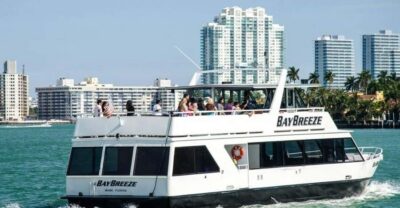
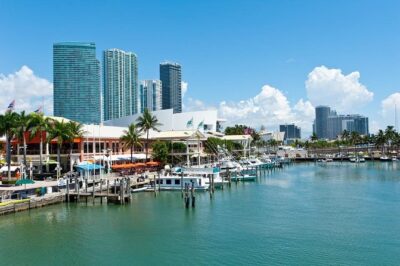
Biscayne Bay Millionaire’s Homes Sightseeing Cruise
Read our review →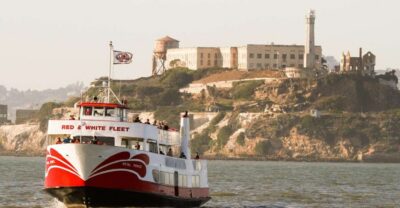

Miami Biscayne Bay rich and famous Sightseeing Boat Tour
Read our review →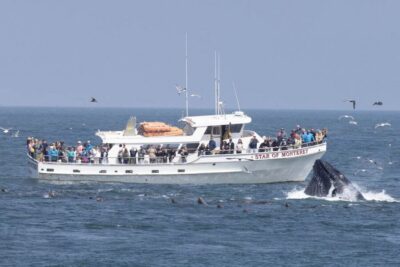
Monterey Bay Dolphin and Whale Watching Boat Tour
Read our review →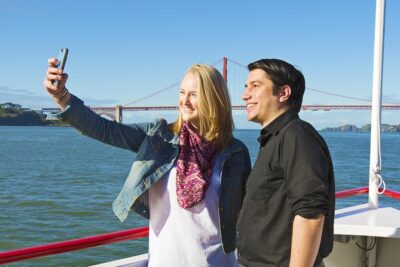
Browse the lists this tour appears in