
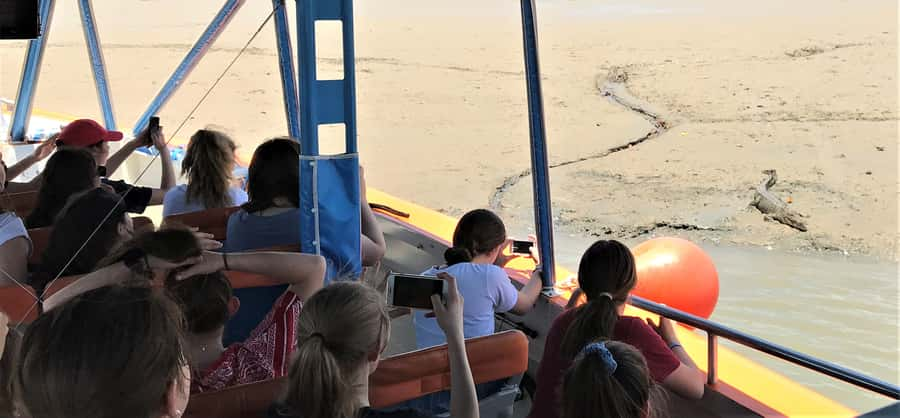
REVIEW · AUSTRALIA
Darwin Harbour Cruise
Darwin Harbour carries a surprising amount of story in a compact stretch of water. In one hour, you can pass mangroves, old shipwreck sites, fishing and pearling operations, naval facilities, and the shoreline reshaped by Cyclone Tracy. When the tide is right, you can also step onto a clean white sandbar for photographs and a quick walk.
I like the way this cruise joins natural scenery with local history, rather than treating the harbour as a simple sightseeing loop. I also like the boat-level view back toward Darwin, a perspective that helps you understand the city as a port and working coastal town. The main consideration is timing: the sandbar visit depends on the tide, and the cruise also needs suitable weather and minimum numbers.
Key points
- Sandbar access depends on the tide: At the right stage of the tide, you can leave the boat for photographs and a short walk on the exposed sand.
- Stories cover both disaster and resilience: The commentary includes wartime attacks and Cyclone Tracy, giving the harbour a strong sense of place.
- Mangroves add a natural side: You may see birds or other marine life while moving through tropical mangrove habitat.
- Darwin looks different from the water: The cruise gives you a clear view back toward the city and its shoreline.
- Working harbour activity is part of the tour: Fisherman’s Wharf, pearling and fishing vessels, industry, and Coonawarra Navy Base all feature.
- The format is simple and flexible: It lasts one hour, costs $46 per person, and allows cancellation up to 24 hours before departure.
What the one-hour Darwin Harbour cruise actually covers
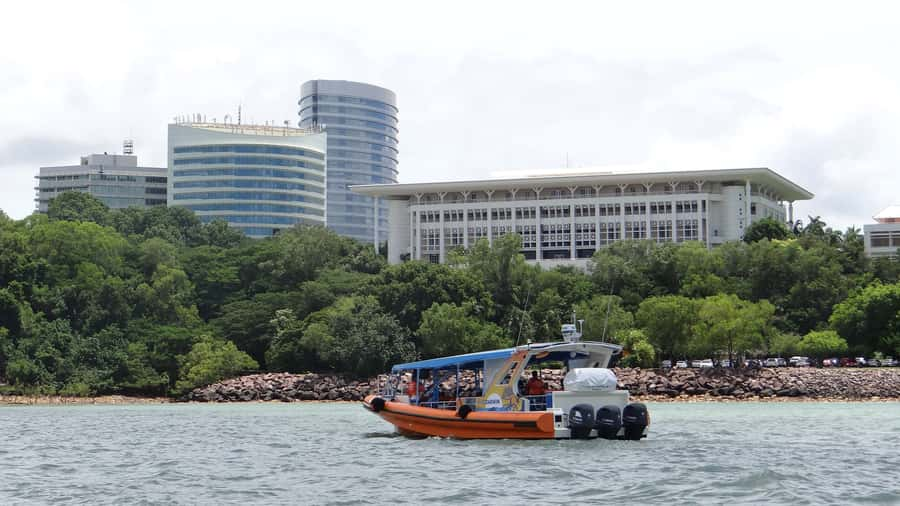
This is a short, focused boat trip from 7 Stokes Hill Road. You return to the same place after cruising around Darwin Harbour, so it fits easily into a morning, afternoon, or evening of sightseeing.
The route is not only about pretty water. Sea Darwin presents the harbour as a place where nature, Larrakia culture, military history, industry, and daily coastal work all meet. That mix gives the cruise more substance than a quick circuit around the waterfront.
Your English-speaking guide provides live commentary throughout the trip. The guide introduces both past and present harbour activity, so you can connect the shoreline in front of you with the events being described. That matters in Darwin, where the city’s appearance does not always reveal how much it has endured and changed.
The boat ride itself is the main event. There is no hotel pickup, meal, or long land transfer included, which keeps the cost and time commitment down. You need to reach the meeting point yourself and arrive 10 minutes before departure.
More Harbour Sightseeing Cruises in Australia
- Sydney: Morning or Afternoon Harbour Sightseeing Cruise
★ 4.7 · 1,520 reviews - Sydney: Harbour Cruise with Buffet Lunch
★ 4.7 · 804 reviews - Sydney Harbour Sightseeing Cruise from Circular Quay
★ 4.6 · 727 reviews
Leaving Stokes Hill Road and seeing Darwin from offshore
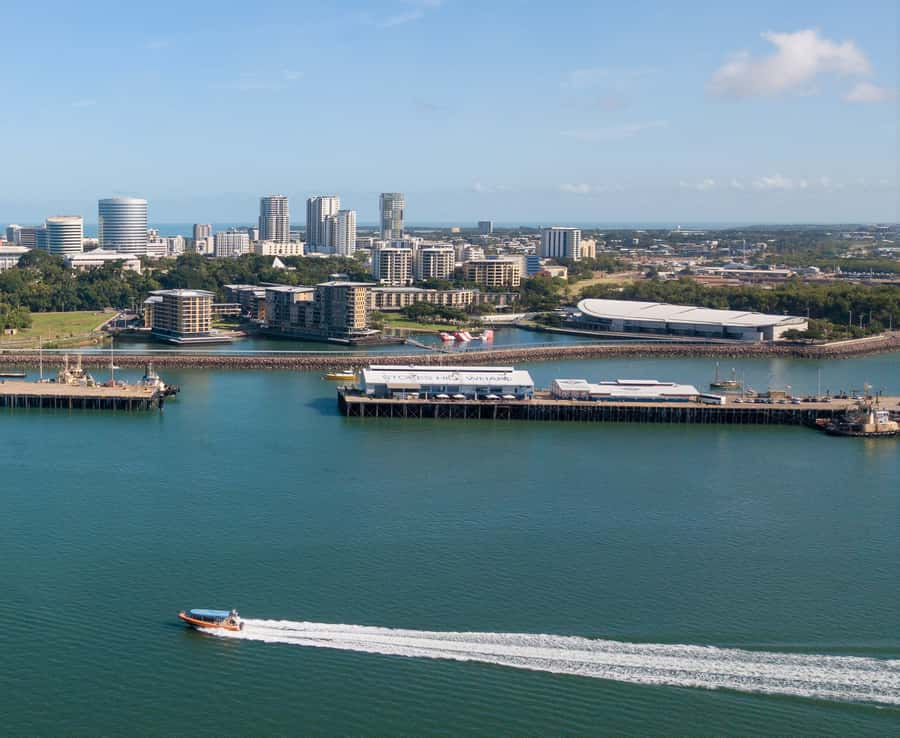
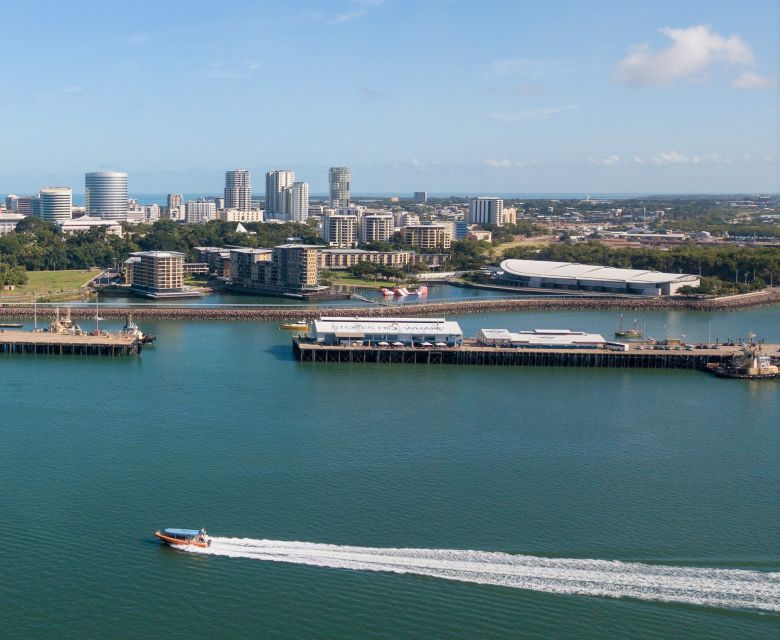
The cruise begins at 7 Stokes Hill Road, close to Darwin’s waterfront attractions. Once the boat moves away from shore, the city takes on a different shape. From the water, you can look back at the coastline rather than simply walking beside it.
I find this viewpoint especially useful early in a Darwin visit. A shore walk shows you individual buildings and paths. A harbour cruise shows how the city sits beside open water, working wharves, military facilities, and natural tidal areas.
The one-hour length is a strength for some people. You get a proper introduction without giving up half a day, and the trip can work well before dinner or alongside other plans. The trade-off is that the commentary cannot explore every subject at great length. If you want a detailed museum-style account of Darwin’s past, you will need other sights as well.
The boat has been described as comfortable, and the trip is intended to be relaxed rather than physically demanding. Wear comfortable clothes and shoes. Those shoes matter more if the tide permits a stop on the sandbar, where you may want to walk rather than stay aboard.
Mangroves, birds, and the harbour’s tidal character
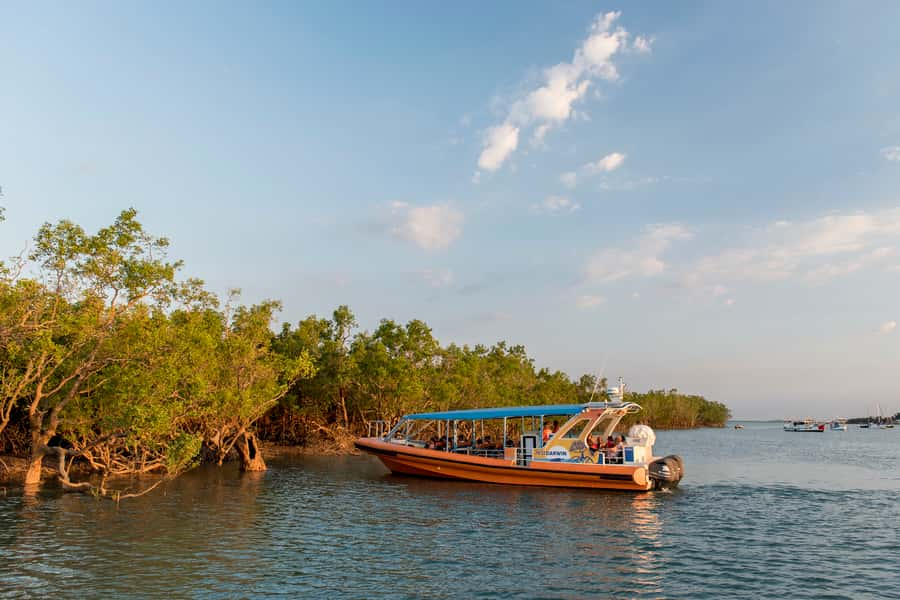
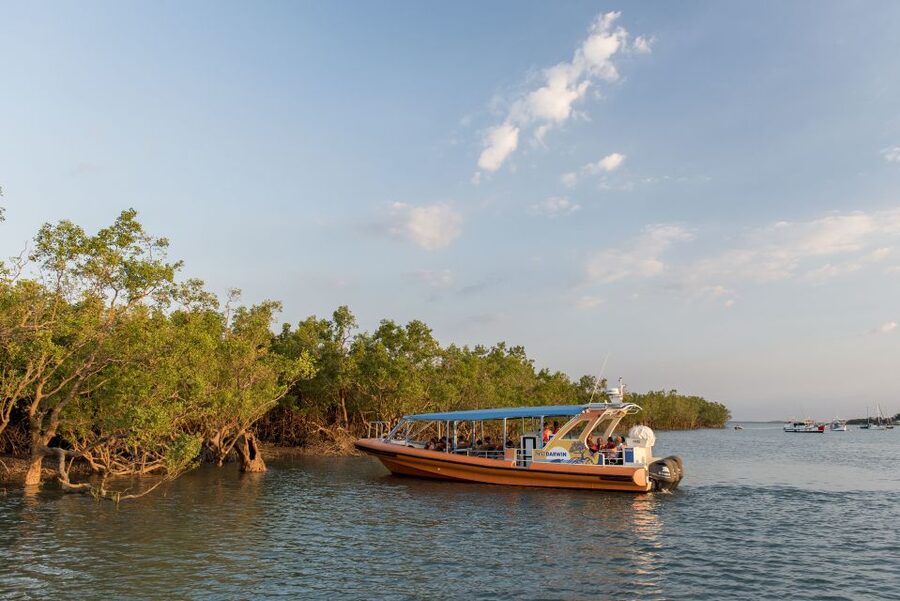
One possible route takes you toward a mangrove waterway. Mangroves are a useful reminder that Darwin Harbour is not just a city backdrop. These tidal trees provide habitat for birds and marine life, and their presence helps explain the harbour’s natural character.
You may spot birds or other animals during this part of the cruise, but sightings are not guaranteed. The value is also in seeing the habitat itself, with water levels and exposed mud or sand changing the view from hour to hour.
The mangrove section gives the trip a quieter mood than the working wharves and naval areas. It also makes the cruise suitable for anyone who wants a little nature without committing to a full wildlife outing.
The tidal setting is central to the experience. This is not a fixed route with exactly the same stops every day. Water conditions can influence where the boat goes and whether the sandbar can be visited. I would treat that flexibility as part of the harbour experience, not as a flaw, but you should not book solely for the sandbar unless you accept that it may not be available.
The sandbar stop when conditions line up
When tidal conditions permit, the boat visits an iconic sandbar. You can step ashore, stretch your legs, and take photographs from a low strip of sand surrounded by harbour water.
This is one of the most distinctive parts of the trip. A sandbar makes the harbour feel immediate. Instead of only looking at the water from a seat, you briefly stand in the middle of its tidal rhythm.
The stop is also a good photo opportunity. The view back toward Darwin can look very different from the usual waterfront angle, and the open setting gives you space to take in the coastline.
Keep expectations sensible. This is a short cruise, not a beach day. The stop depends on the tide, and the supplied details do not promise a set length of time ashore. Wear shoes and clothes you are comfortable moving in, and be ready for the possibility that the route remains boat-based if conditions are not favorable.
Same water, a different boat:
- From Hervey Bay: Remote K’gari Tour by Boat with Lunch
★ 4.9 · 1,229 reviews - Wineglass Bay Cruise from Coles Bay
★ 4.5 · 982 reviews - Freedom 3/4 Day Hervey Bay Premium Whale Watching Cruise
★ 5.0 · 919 reviews - Sydney Harbour Sightseeing Cruise Morning or Afternoon Departure
★ 4.5 · 704 reviews
Stories of wartime attacks and Cyclone Tracy
The commentary covers Darwin’s wartime past, including shipwrecks that remain beneath the harbour. You may hear about the vessels and events connected with the harbour’s military role, adding weight to what might otherwise look like an ordinary stretch of water.
The cruise also tells the story of Cyclone Tracy, the storm that devastated Darwin. Hearing about the cyclone while viewing the city from offshore helps connect the event to the exposed coastal setting.
I appreciate that the story does not stop with destruction. Darwin’s rebuilding and continued use of the harbour are part of the larger picture. The result is a compact introduction to a city shaped by conflict, extreme weather, and recovery.
This part may be the strongest reason to choose the cruise over a purely scenic boat ride. You are not only watching the shoreline pass. You are being shown why particular parts of the harbour matter.
The guide’s role is important here. The strongest praise in the supplied comments focuses on clear, engaging explanations that hold attention for the full hour. No individual guide names are provided, but the live format means the quality of the narration remains central to the outing.
Fisherman’s Wharf and the working waterfront
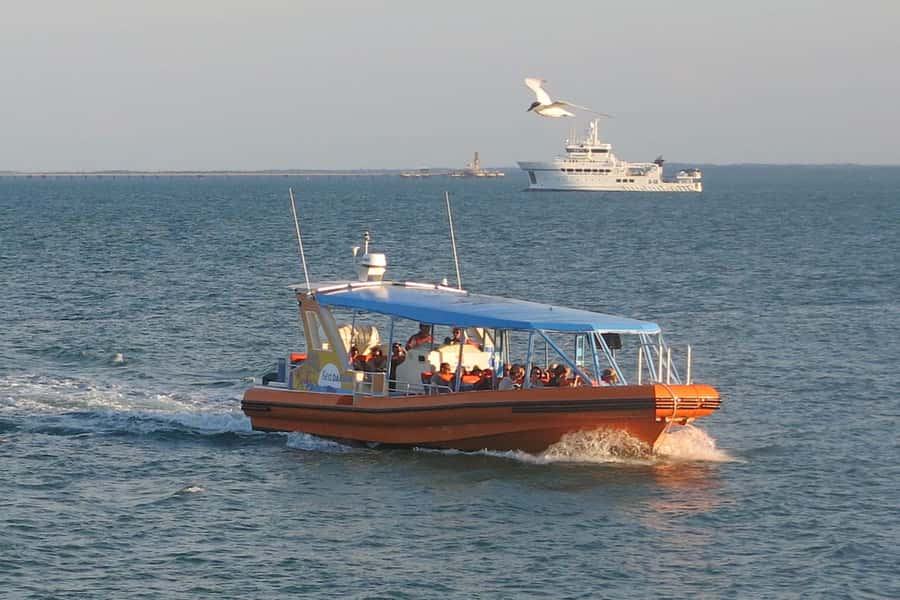
The cruise passes Fisherman’s Wharf, where the Top End fishing and pearling fleet is based. This section gives you a look at Darwin as a working port rather than only a place built for visitors.
Fishing and pearling are not just background topics. They help explain the harbour’s connection to the wider Northern Territory and to the sea. From the boat, you can see the setting where these industries operate and hear how the harbour supports them.
You also hear about modern industrial activity. That may include working areas and vessels rather than polished attractions, so the view will not be uniformly scenic. That is part of the point. A real harbour has cranes, boats, infrastructure, and active operations alongside mangroves and open water.
I like this balance because it keeps the cruise grounded. You are not being shown a carefully separated sightseeing zone. You are seeing a port that still serves practical purposes.
Coonawarra Navy Base and modern defence activity
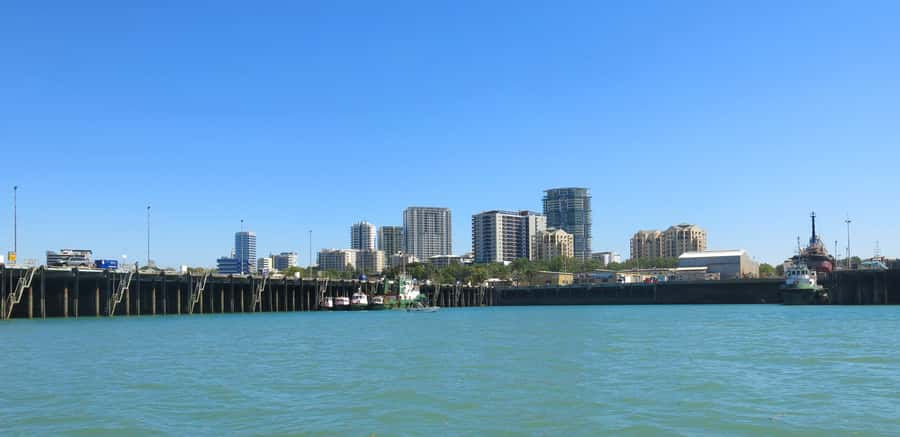
The route passes Coonawarra Navy Base, adding a contemporary military angle to the older wartime stories. This makes the harbour feel like a place with an ongoing defence role, not simply a site remembered for past events.
You should expect to view the base from the water rather than enter it. The cruise provides context and an exterior perspective, while access to military facilities is not included.
For history-minded visitors, this is a useful link between past and present. Darwin’s wartime story is not sealed away in a museum. Defence activity remains part of the harbour’s identity today.
The presence of active industry and defence facilities also means the trip may appeal to people who enjoy seeing how a port functions. If you want only untouched nature, the working waterfront sections may feel less appealing. If you like a complete picture of a city, they add real value.
Larrakia culture and the meaning of place
Sea Darwin is operated by Sea Tiwi, a Tiwi Enterprises initiative, and the cruise includes an introduction to the heritage of the Larrakia people. That cultural context gives the harbour a deeper foundation than a route built only around colonial, military, or commercial stories.
The supplied information does not set out a long cultural program or a separate traditional performance. You should expect cultural context within the live harbour commentary, alongside natural and historical subjects.
That approach suits the length of the trip. In one hour, the guide can show how the harbour connects people, water, habitat, and work without trying to turn the cruise into a full cultural tour.
The cruise is also eco-accredited. That does not mean every part of the harbour is untouched, but it signals attention to the environmental side of the outing. The mangrove waterway and tidal sandbar are not decorative extras. They are part of the harbour system you are being asked to notice.
Is $46 good value for one hour?
At $46 per person, this is not the cheapest way to spend an hour in Darwin. You can walk the waterfront for free, and several city sights cost less or take longer. The question is what you want the price to provide.
Here, the fee covers a boat ride, a live guide, harbour views, historical and contemporary commentary, and the chance to visit the sandbar when the tide allows. You are paying for access to a water-level view and for someone to explain what you are seeing.
I consider the value strongest if you are new to Darwin, have limited time, or enjoy history presented outdoors. The trip can help you understand the city before you explore it on foot. It also works well for a group that wants a shared activity without committing to a long excursion.
The value is weaker if you expect a full meal, a long wildlife trip, or guaranteed time on the sandbar. Food and drinks are not included, and the cruise lasts only one hour. The price makes more sense when you see it as a compact introduction rather than a full-day outing.
The operator also offers reserve-now, pay-later booking and free cancellation up to 24 hours before departure. The cruise remains subject to minimum numbers and suitable weather, so check the departure details close to the date.
Who will enjoy this Darwin Harbour experience most?
I would recommend the cruise to first-time visitors who want quick orientation. It gives you a clear sense of Darwin’s coastline, port activity, defence role, and major historical themes without taking over your day.
It also suits people who prefer learning while moving. The guide’s commentary keeps the trip active, and the boat offers a change from museums and city streets. Families and mixed-age groups may appreciate the short duration, though the supplied information does not specify children’s facilities or a particular age range.
History fans should find plenty to hold their attention, especially the wartime shipwreck stories and Cyclone Tracy. Nature-minded visitors will enjoy the mangroves and the possibility of birds or marine life, but this is not presented as a dedicated wildlife survey.
Photographers will want to pay attention to the tide. A sandbar stop can add a memorable set of images, but it is not guaranteed. If you are booking for that feature, keep your schedule flexible.
Practical tips before you go
Arrive at 7 Stokes Hill Road at least 10 minutes before departure. Since hotel pickup and drop-off are not included, allow time to reach the meeting point independently.
Wear comfortable shoes and comfortable clothing. Those basics cover both the boat ride and the possible sandbar visit. Food and drinks are not included, so plan accordingly before boarding.
Check availability for the departure time that suits you. The activity lasts one hour, but it can be affected by minimum numbers and weather. Tidal conditions also influence the sandbar stop.
I would book the cruise earlier in your Darwin stay if possible. The harbour stories may give you useful context for later visits, especially if you plan to explore waterfront sites or learn more about Cyclone Tracy and wartime Darwin.
Should you book the Darwin Harbour Cruise?
Book it if you want a short, well-rounded introduction to Darwin from the water. The strongest reasons are the clear live commentary, the mix of mangrove habitat and working harbour activity, and the chance to connect Cyclone Tracy and wartime history with the shoreline in front of you.
Skip it if you need a guaranteed sandbar visit, a full meal, or a long nature expedition. The route and stop depend on conditions, and one hour leaves only enough time for an overview.
For $46, I think the cruise is a sensible choice for first-time visitors, history fans, and anyone who wants a relaxed view of Darwin beyond the main streets. Treat the sandbar as a bonus, not the promise, and you will get the most from the trip.
FAQ
Where does the Darwin Harbour Cruise depart?
The cruise departs from 7 Stokes Hill Road in Darwin and returns to the same location.
How long does the cruise last?
The boat cruise lasts one hour.
What language is the tour conducted in?
The live tour guide and commentary are in English.
Is the sandbar visit guaranteed?
No. The sandbar visit takes place when tidal conditions permit.
Are food and drinks included?
No. Food and drinks are not included in the activity.
What should I bring?
Bring comfortable shoes and comfortable clothes.
Can I cancel the booking?
Yes. You can cancel up to 24 hours in advance for a full refund. The cruise is also subject to minimum numbers and favorable weather conditions.
Just added around Australia
- Sunset Twilight Cruise in Hervey Bay★ 4.5 · 74 reviews
- Twilight Bay Cruise in Hervey Bay★ 4.5 · 3 reviews
- Hervey Bay Sunset Cruise★ 5.0 · 48 reviews
- Around the Bay Sightseeing and Bay Cruise★ 5.0 · 24 reviews
- 2 Hours Hervey Bay Funset Cruise★ 5.0 · 3 reviews
- Discover Darwin Harbour 1 hour Darwin Harbour Cruise★ 4.5 · 50 reviews
- Sunset River Cruise near Byron Bay★ 5.0 · 20 reviews
- Guided Dolphin Eco-Cruise in Koombana Bay★ 5.0 · 36 reviews
Australia Bay Cruises, compared.
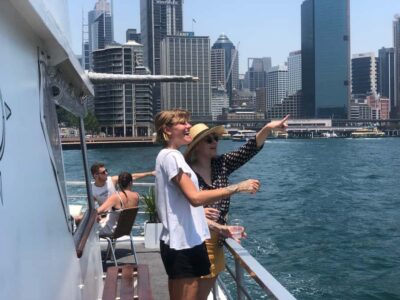
Morning or Afternoon Harbour Sightseeing Cruise
Read our review →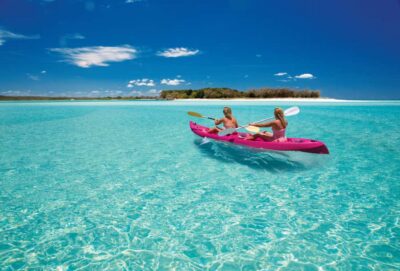
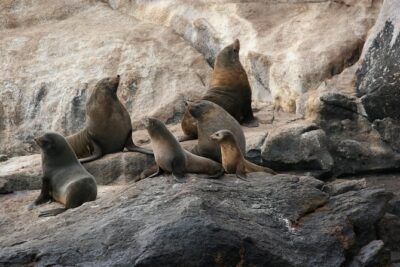
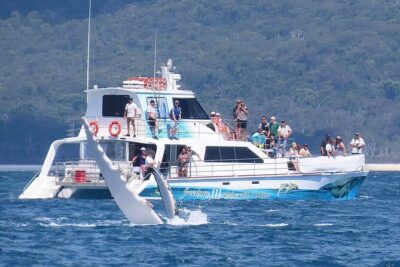
Freedom 3/4 Day Hervey Bay Premium Whale Watching Cruise
Read our review →

Sydney Harbour Sightseeing Cruise from Circular Quay
Read our review →
Sydney Harbour Sightseeing Cruise Morning or Afternoon Departure
Read our review →
From Hobart/Adventure Bay: Bruny Island Wilderness Cruise
Read our review →Browse the lists this tour appears in